Canavia Aviation Academy
ITEN
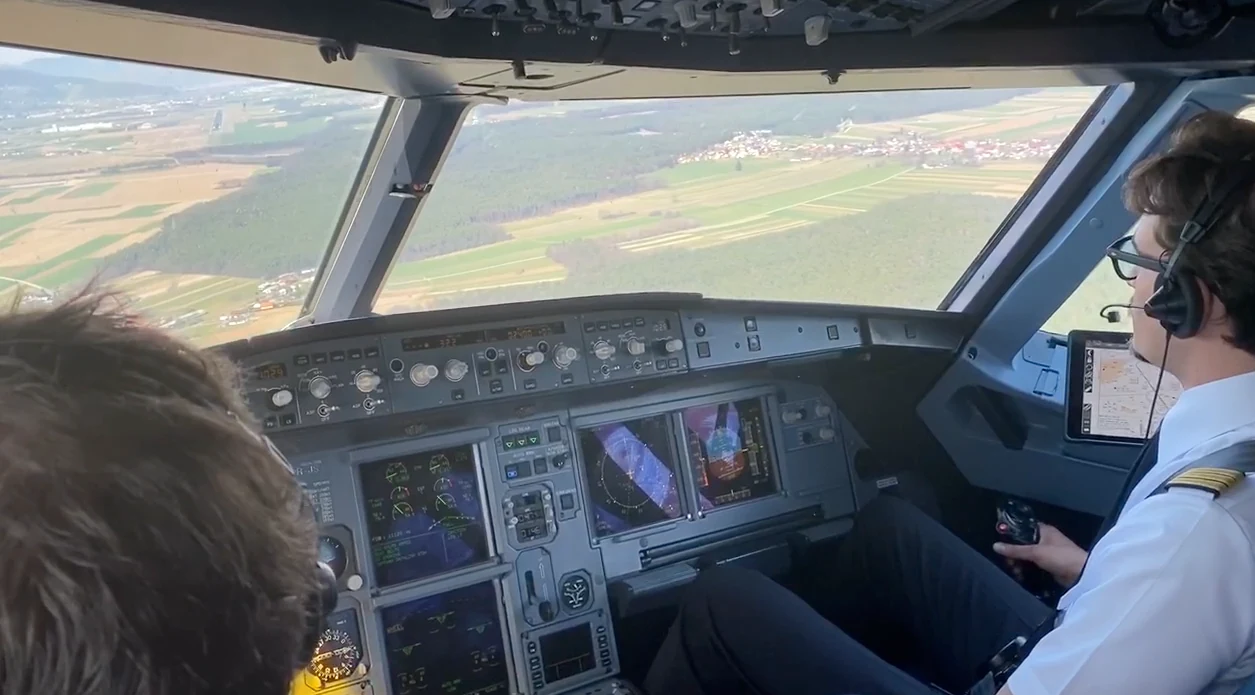
Two pilots in the cockpit with terrain visible through the windscreen

CANAVIA AVIATION ACADEMY · CANARY ISLANDS

EASA Integrated
ATPL Course

Start with no flying experience and train for a professional pilot career on a full-time course that combines ground school, flying and simulator training.

17 monthsCourse duration
From zeroAb initio training
APS MCCIncluded in Advanced and First Officer options

How the training works

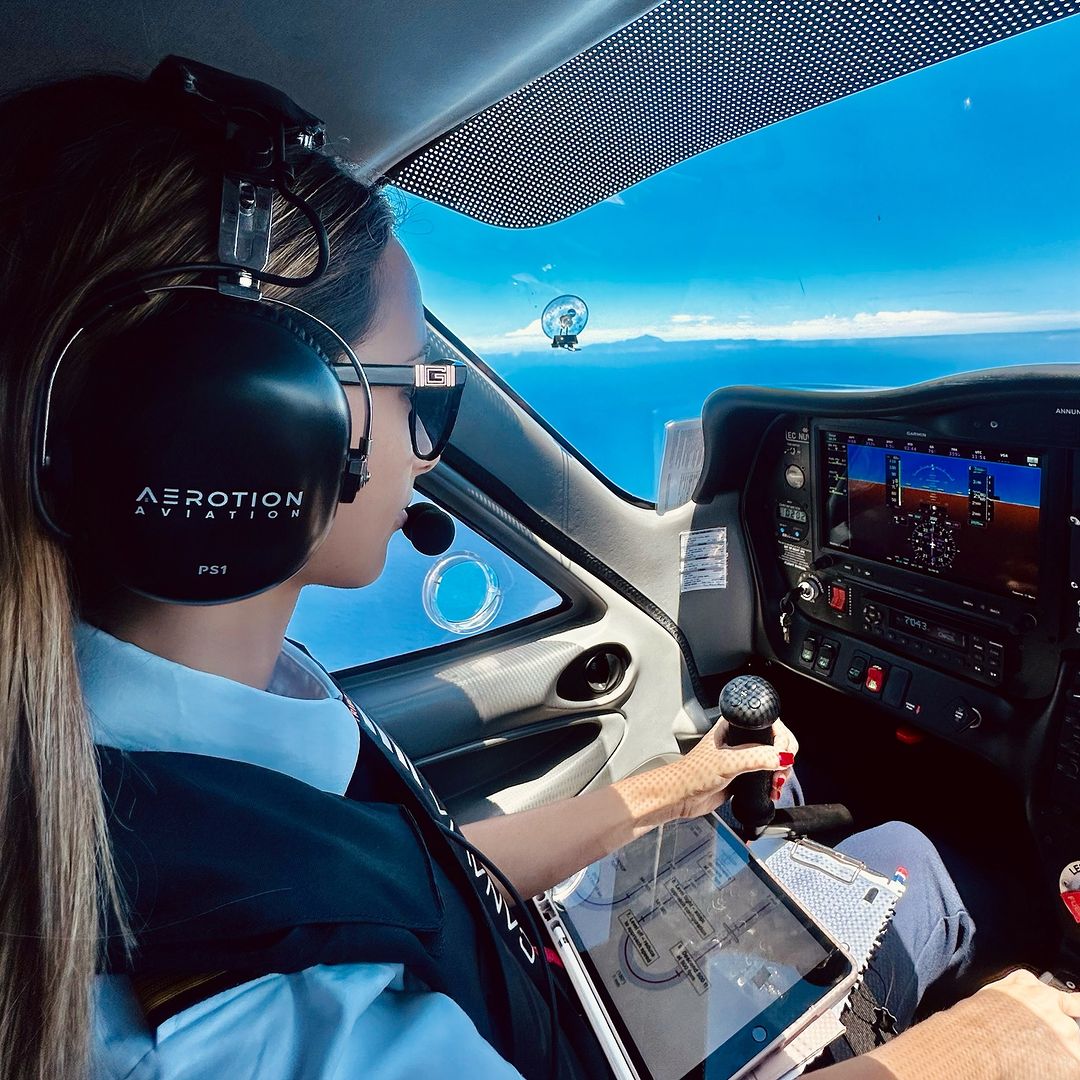
Student at the controls of a training aircraft
Flight training in the Canary Islands
  1. ATPL ground school

    800 hours of classroom-based theory, with PadPilot materials in English. Subjects include meteorology, navigation, performance, flight planning and human factors. An internal assessment precedes the official exams.

  2. Flight and simulator training

    Train on single-engine and multi-engine aircraft. Develop navigation and instrument flying skills, including PBN procedures, in the air and in the simulator.

  3. Multi-crew training

    Advanced UPRT teaches you to prevent and recover from upsets. APS MCC develops cockpit coordination, communication and workload management.

See how we train in aircraft and simulators ↓

Simulators and twin-engine training

Entrol EN-4000x FNPT II MCC

Our multi-crew training simulator is based on an Airbus A320 cockpit. It offers up to seven configurations, including MEP G1000 and jet setups, for practising procedures and crew coordination.
FNPT II flight simulator

At our Telde facility we use a device qualified for SEP, MEP, IR and PBN training. Practise instrument procedures and operational scenarios with your instructor.

Aviatek G1000

At our Maspalomas–El Berriel SimLab, practise on training stations that replicate Garmin G1000 controls and displays.

Tecnam P2006T

We use the Tecnam P2006T, a high-wing twin-piston aircraft, for multi-engine training. You put the multi-engine and instrument procedures covered in the course into practice in flight.

Explore our fleet and simulators ↗

Two integrated course options

First Officer

This option includes APS MCC and a type rating. We offer type ratings on the Airbus A320, Boeing 737, ATR 72 and Embraer 190, subject to availability.

Ask about type ratings

Request a quote showing the training hours, included exams and any separate costs for your chosen option.

What the course fee covers

Included in the programme

  • 800 hours of theoretical training.
  • Flight training on single-engine and twin-engine aircraft.
  • First-attempt exam fees for the 14 subjects listed in the programme.
  • The general programme lists Standard MCC. The Advanced option includes APS MCC.
  • PadPilot study materials, headset and navigation chart.
  • Access to the online library with AIP, flight manuals and manoeuvre manuals.
  • EASA logbook and uniform.
  • Flight skill tests, ICAO English Language Proficiency test and UPRT course.
  • Training Expenses Loss Insurance.

Not included

  • Class 1 medical examination.
  • Theory exam fees after the first attempt.
  • Meals, accommodation and transport.

Financing options

We work with BBVA to offer the option of applying for financing at preferential rates. Approval, rates and other terms are subject to the bank’s assessment.
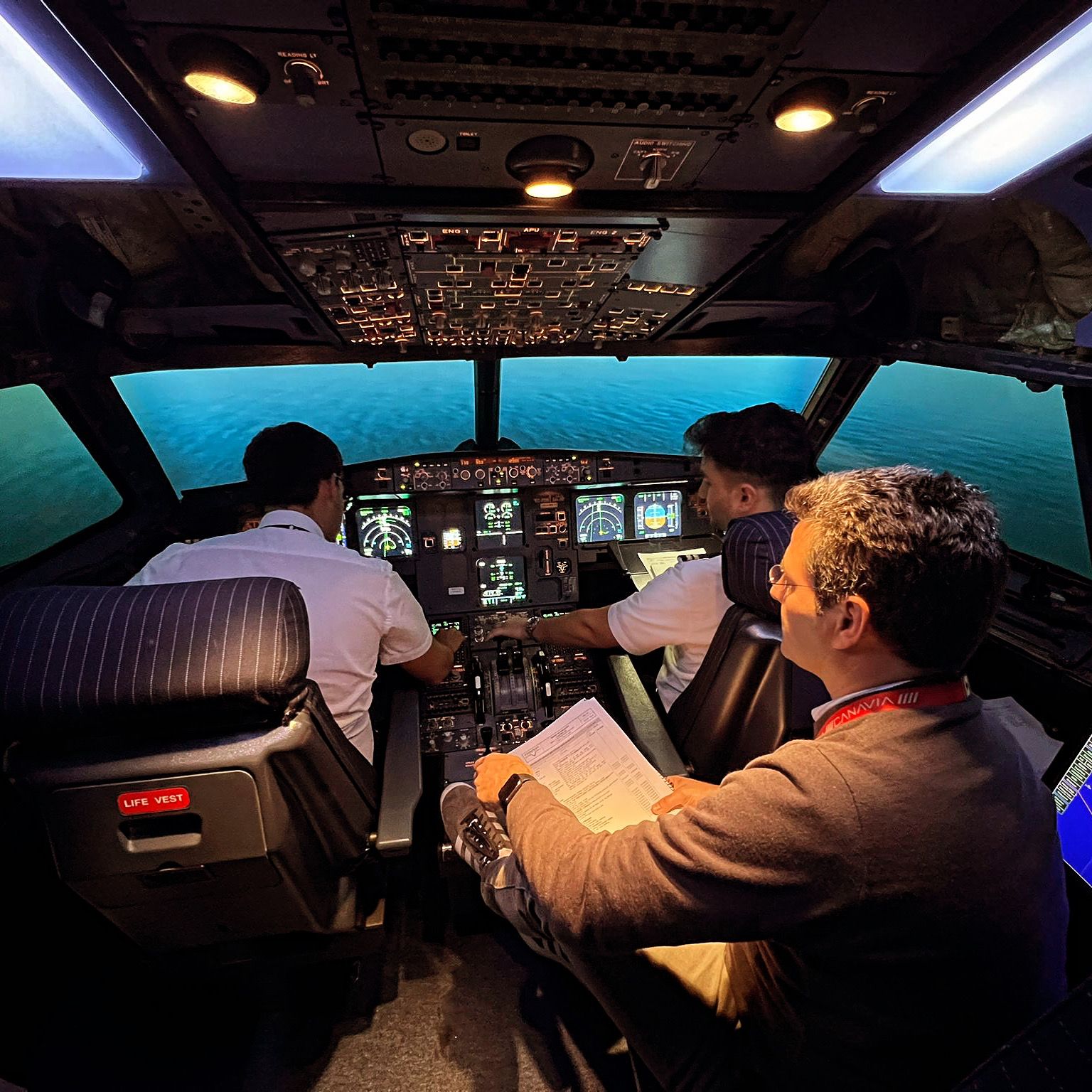
Multi-crew training session in a Canavia simulator
MCC simulator session

Licences, ratings and certificates

  • Commercial pilot licence CPL(A)
  • Class ratings SEP and MEP
  • Instrument rating IR with PBN
  • Theory exams ATPL(A)
  • Certificates Advanced UPRT and APS MCC

“Frozen ATPL” commonly refers to the qualifications of a pilot who has passed the ATPL theory exams and obtained a commercial licence and the relevant ratings. A full ATPL requires the applicable experience and other licensing requirements to be met.

Admissions

  • At least 17 years old at the start of training.
  • Class 1 aeromedical fitness.
  • Admissions test covering basic maths and physics, plus an interview in English.

The course is designed for students with no flying experience. If you have an aviation school diploma or a degree in aerospace engineering, we waive the maths and physics tests. The English interview still applies.

See our admissions requirements ↗
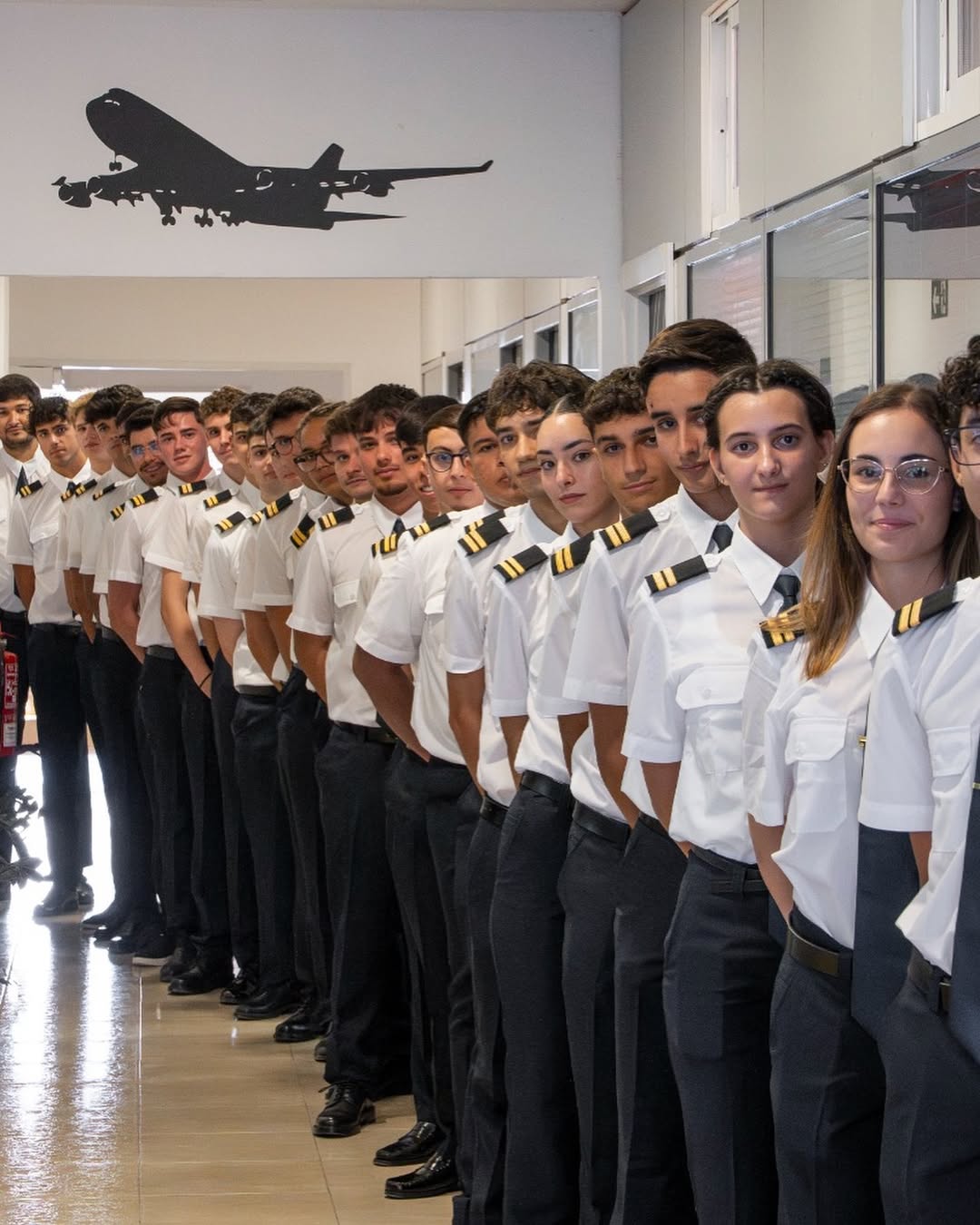
Canavia students in uniform at the academy

Frequently asked questions

Can I combine training with a job?

The integrated course is intensive and full-time, with classroom lessons and training sessions. If you need more flexibility, explore the modular route.

Where does training take place?

We operate in Gran Canaria and Tenerife South. Ask which base is planned for your intake before arranging your move.

Can I request accommodation?

We offer single rooms with shared facilities for students, subject to availability. Ask about terms for your course dates.

What other expenses should I budget for?

Ask for a quote for your chosen programme. Budget for the initial medical examination, any exam resits, meals, accommodation and transfers.

How can I find the next start dates?

See the official course page and contact us to confirm the location, start date and available places.

How does the admissions test work?

It covers basic maths and physics and includes an English interview. If you have an aviation school diploma or a degree in aerospace engineering, we waive the maths and physics tests. The English interview still applies.

Are payment plans available?

Ask about payment options for your intake. You can also apply for financing through our partner banks, subject to their terms.

Can I fly in winter?

The mild Canary Islands climate lets us schedule training year-round. Individual sessions depend on weather and operational conditions.

How do you help after the course?

We help you prepare your CV, practise interviews and train in the simulator for airline selection. Airlines set their own requirements and run their own selection processes.

Read all our FAQs ↗

Why choose Canavia?

Year-round training in the Canary Islands

The mild climate and sunshine at our Gran Canaria and Tenerife bases let us schedule flights in every season. Sessions depend on weather and operational conditions.

An international flight school

We are a training organisation approved under EASA standards. At our international campus, you train with qualified instructors, a modern fleet and simulators for different stages of the course.

Airline partnerships and career opportunities

We work with Volotea (Airbus A320), Binter (ATR 72) and Canaryfly (ATR) to connect training with career opportunities in commercial aviation. Students may receive preferential access to self-funded type rating programmes, subject to availability and eligibility.

Each year we host selection sessions for our graduates at the academy, with interviews and simulator assessments. Airlines set the selection criteria and make any hiring decisions.

Let’s talk about your training

Tell us when you would like to start. We can help you choose a course option and prepare for admission.

Send an enquiry ↗